
Harnessing the Power of Intention: Transform Your Reality, Shape Your Destiny
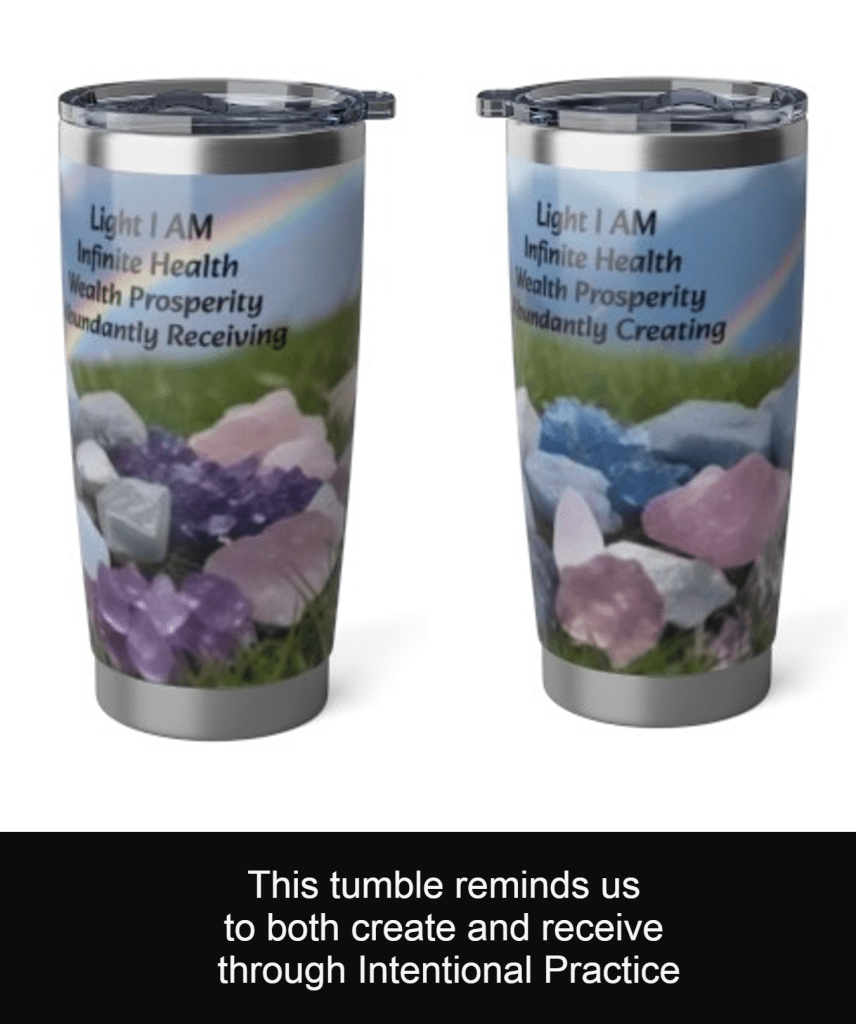
In our upcoming article, we explore the transformative power of intention and its profound impact on shaping our reality. By mastering the art of intention, readers will learn practical techniques to elevate their vibration, manifest their deepest desires, and live a more purposeful and fulfilling life. From setting clear intentions to aligning thoughts and actions with positive energy, this article offers insights and strategies to help readers navigate life with intentionality and create abundance in all areas of their lives. There are also affiliate links to help cultivate your intention with the highest purpose and for art medium suggestions for the projects.
What does working with “Intention” mean?
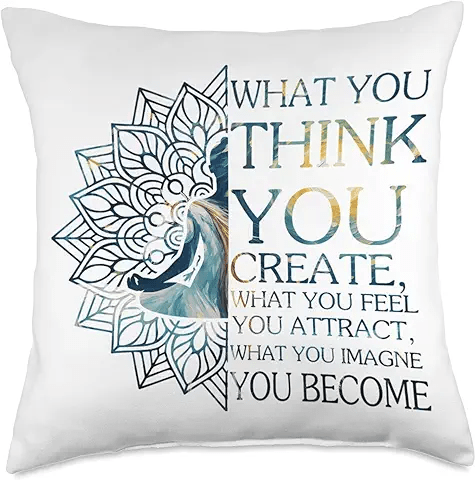
Intention, at its core, is the conscious direction of one’s thoughts, desires, and actions toward a specific outcome or goal. While the concept of intentionality dates back centuries across various spiritual and philosophical traditions, the modern phenomena of setting intentions for life improvement has gained significant traction in recent decades. Stemming from practices such as mindfulness, meditation, and positive psychology, setting intentions has become a mainstream tool for personal growth and transformation.
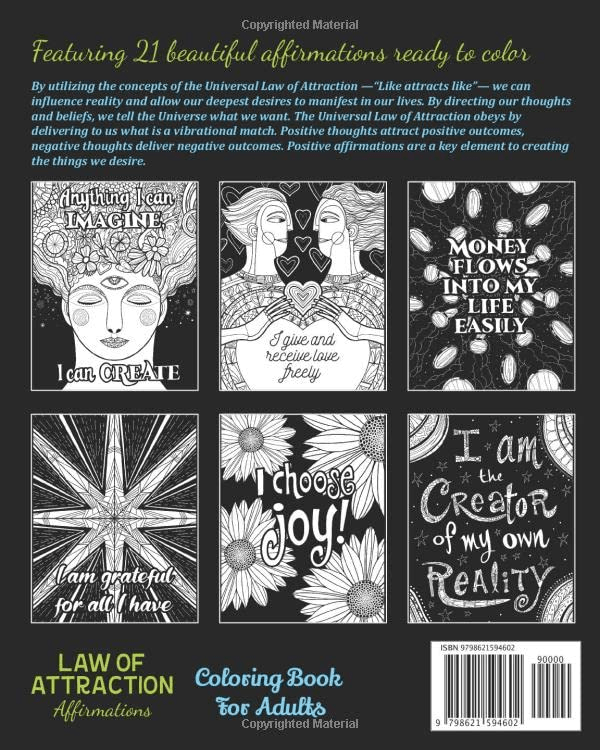
If creating original art is too much for you, get a coloring book like this to work with. I took something like this the last time I had to do a surgery at the hospital to keep myself focused on my healing during my recovery.
This shift can be attributed to a growing recognition of the interconnectedness between mind, body, and spirit, as well as an increasing emphasis on holistic well-being in today’s fast-paced society. By harnessing the power of intention, individuals seek to align their energies with their deepest desires, manifest abundance, and cultivate a sense of purpose and fulfillment in their lives.
What is the difference of Intention and Mindfulness?
Mindfulness and setting intentions are complementary practices that offer distinct yet overlapping benefits for personal growth and well-being. Mindfulness involves cultivating present-moment awareness without judgment, allowing individuals to observe their thoughts, emotions, and sensations with clarity and acceptance. By practicing mindfulness, individuals develop greater self-awareness, emotional regulation, and resilience, which can lead to reduced stress, anxiety, and depression. On the other hand, setting intentions involves consciously directing one’s thoughts and actions toward a desired outcome or goal. This process helps individuals clarify their values, focus their attention, and align their behaviors with their aspirations, leading to increased motivation, goal attainment, and a sense of purpose. While mindfulness fosters a deeper connection to the present moment, setting intentions empowers individuals to create positive change in their lives by harnessing the power of their thoughts and intentions. Together, these practices provide a holistic approach to personal development, fostering inner peace, fulfillment, and meaningful living.

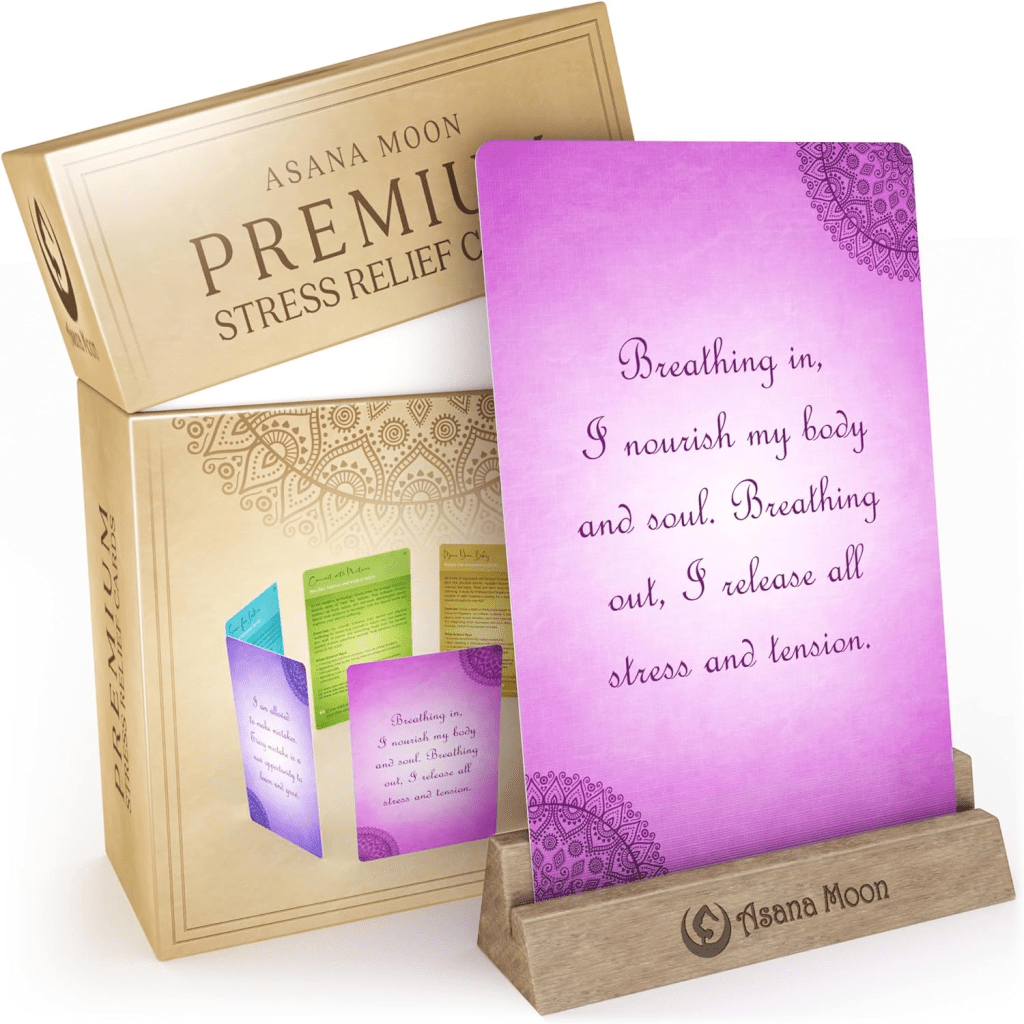
A fun way to immerse yourself in “Mindfulness” is using cards like these. These are centered in the area of focus on self care. There is an old saying, “If you do not have your health, you do not have anything.” Or was that from the movie “The Princess Bride?”
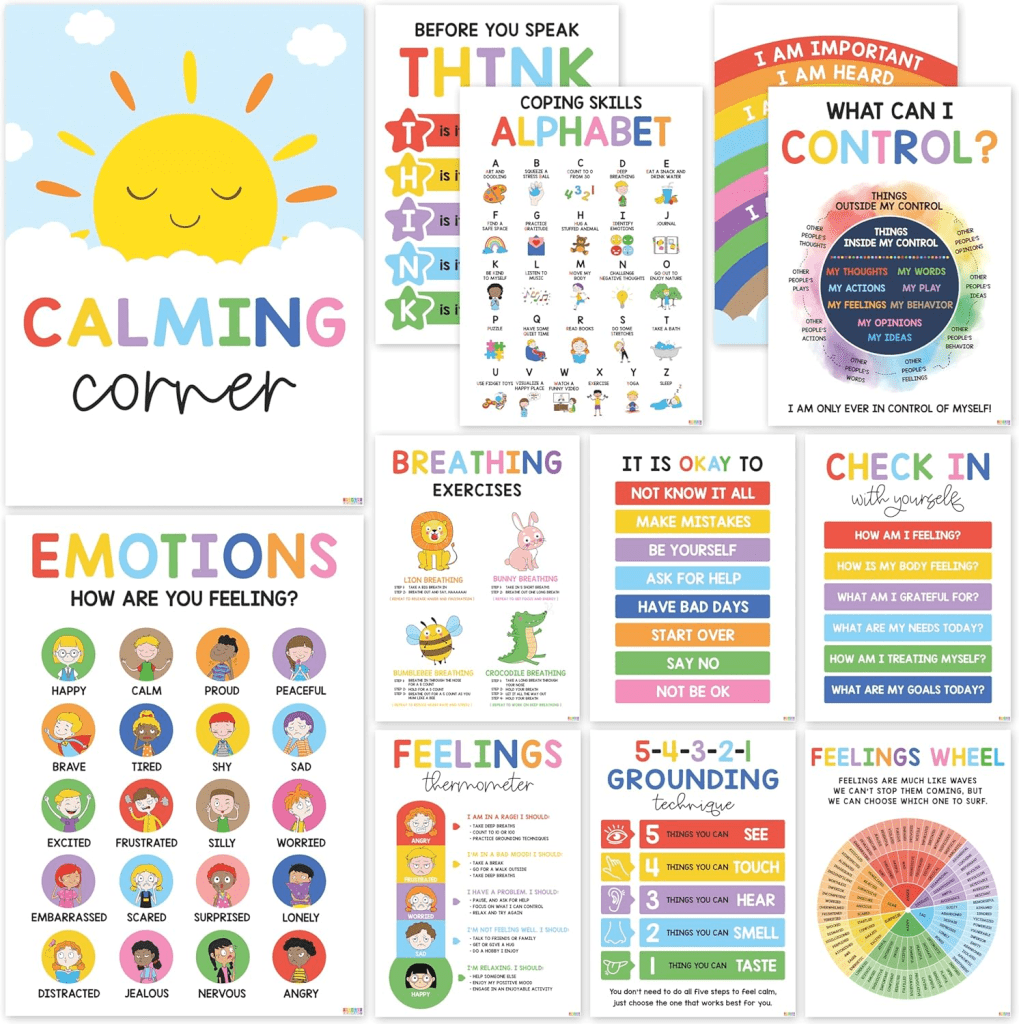
Educating children about mindfulness, particularly regarding emotions, contributes to the development of emotionally intelligent individuals. This is crucial during their formative years and remains significant as they mature. By fostering self-awareness, they can also recognize the emotional intelligence of other adults in their lives, enabling them to establish healthy boundaries based on this understanding.
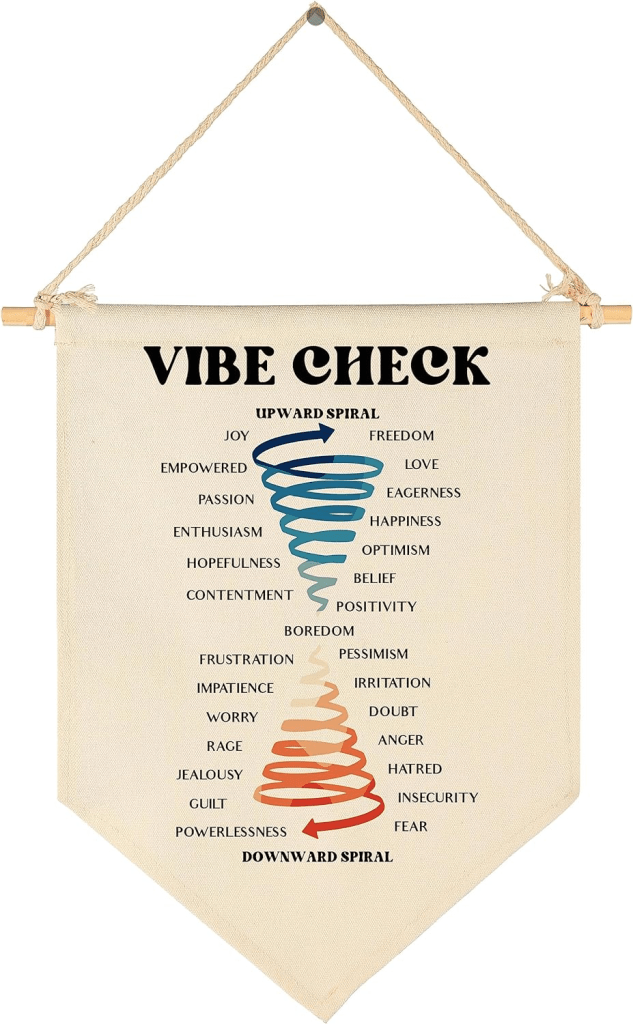
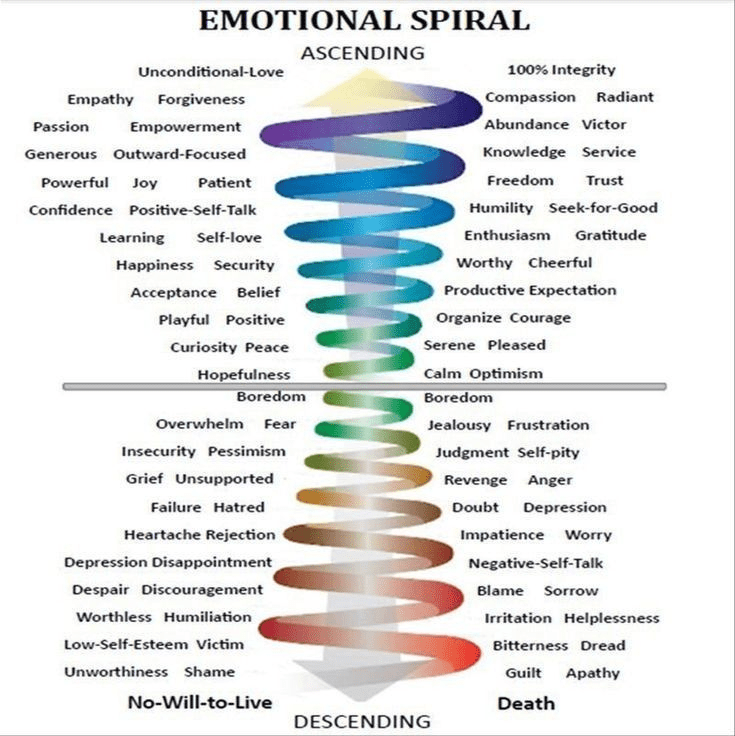
To keep mindful about how our emotions bring us up or keep us down there is a banner for home. Below that is a more in-depth graphic explaining this concept from the web.
For more of the basics of using frequency please refer to the following articles I have written:
“The Good, The Bad and The Viby” Parts 1-3
https://wordpress.com/post/universalvibrationscorner.com/768
https://wordpress.com/post/universalvibrationscorner.com/770
https://wordpress.com/post/universalvibrationscorner.com/890
Art projects to help foster Intention in a mindful way.
The Article “Meditative Mark” has some suggestions already using the very simple art technique of Zentangles. The only thing I will add to this idea from the article is for you to use imagery of the things or energy you are trying to intentionally manifest. For example, if money is your desire and maybe you are starting a business make sure you use international currency symbols like the USD, or the Euro or the Yen. If you want a particular car, use that is the main image you will fill with zentangles. You can also use repetitive words instead of symbols. Using words as art is a step above just writing out lines or writing in a journal. Both are important practices but adding the artful creative practice reaches your brain in different ways.
Other art projects for Intentional manifestation:
Create a traditional or digital vision board. A vision board is a visual representation of one’s goals, aspirations, and desires. It typically consists of images, words, and phrases that reflect the things a person wants to achieve or manifest in their life. Creating a traditional vision board involves several steps:
- Set Your Intentions: Begin by clarifying your goals and intentions. What do you want to achieve or attract into your life? This could include anything from career goals to personal relationships to health and wellness objectives.
- Gather Materials: Collect magazines, newspapers, catalogs, photographs, quotes, and any other visual materials that resonate with your goals. You may also want to gather art supplies like scissors, glue, markers, and poster board.
- Visualize Your Goals: Spend some time visualizing your goals and what they would look like if they were already accomplished. This will help guide your selection of images and words for your vision board.
- Select Images and Words: Flip through your collected materials and choose images, words, and phrases that represent your goals and aspirations. Look for things that evoke positive emotions and inspiration.
- Arrange and Paste: Arrange the selected images and words on a piece of poster board or corkboard in a way that feels visually pleasing to you. You can organize them by theme, or simply place them wherever feels right. Once you’re happy with the layout, glue or tape them down.
- Personalize and Enhance: Add any additional elements that feel meaningful to you, such as drawings, personal photographs, or decorative embellishments. Make the vision board uniquely yours.
- Display and Reflect: Once your vision board is complete, find a prominent place to display it where you’ll see it regularly. Take time to reflect on your goals and intentions as you look at your vision board, and visualize yourself achieving them.
- Take Action: While creating a vision board is a powerful first step, it’s important to remember that action is also necessary to bring your goals to fruition. Use your vision board as a source of motivation and inspiration to take action towards your dreams.
These are products that you can purchase to create your own vision board easily.
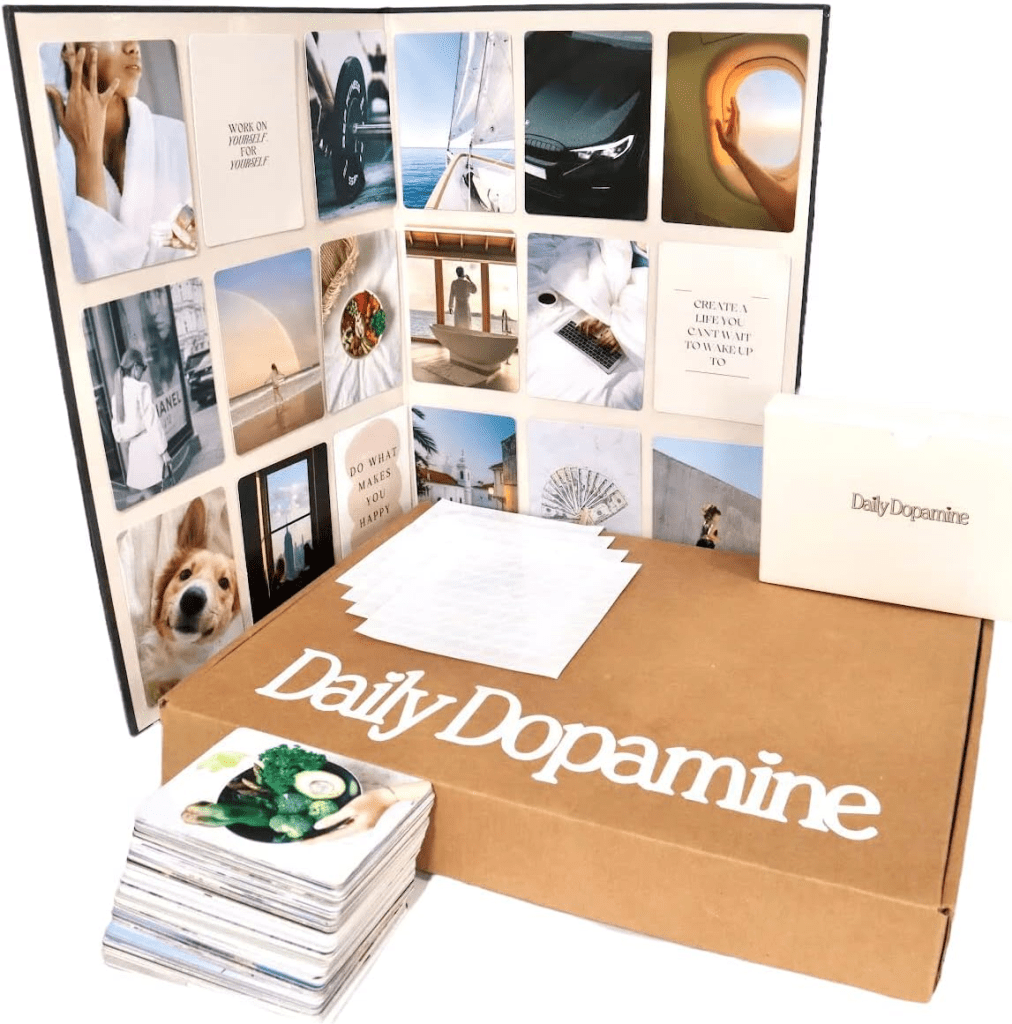
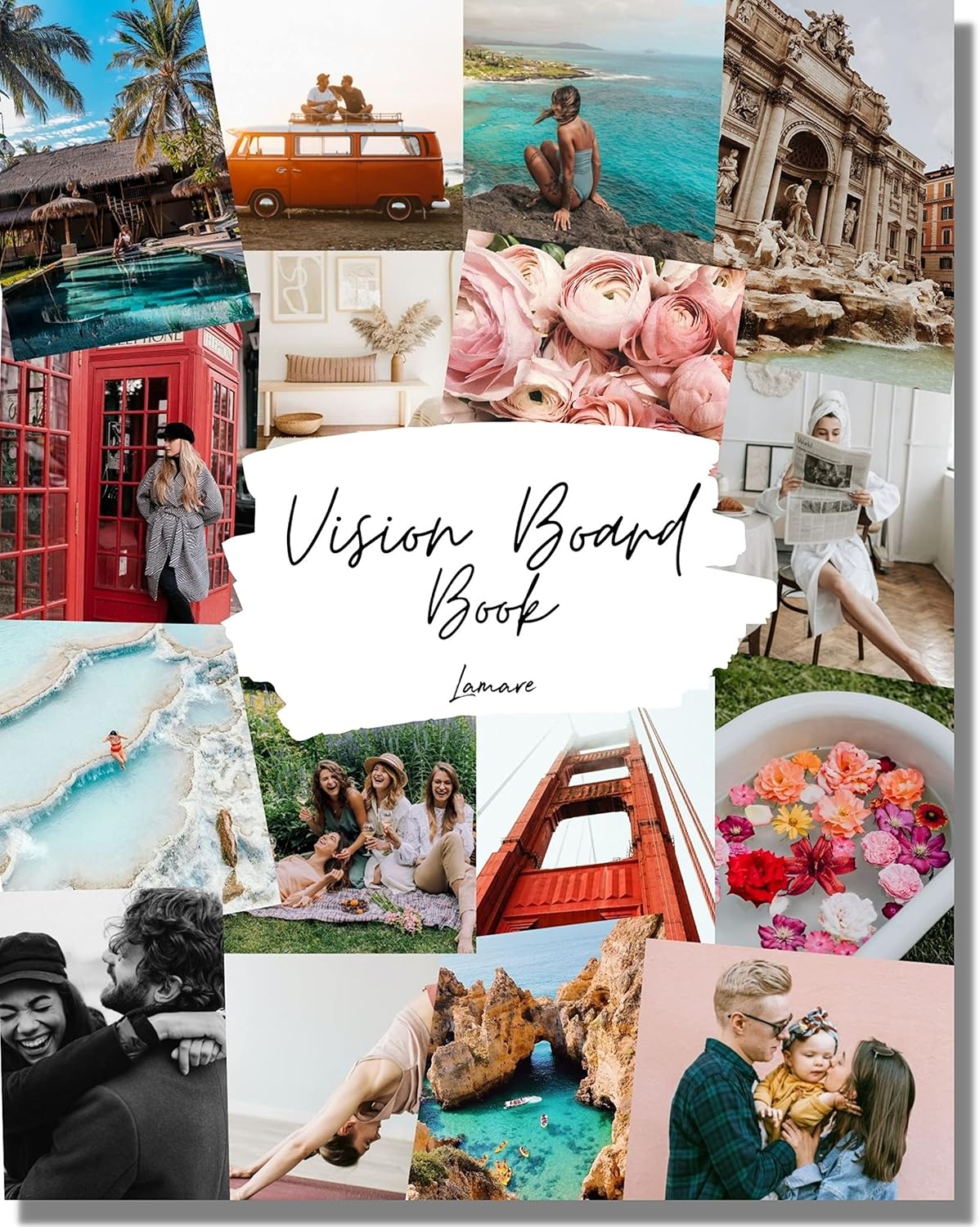
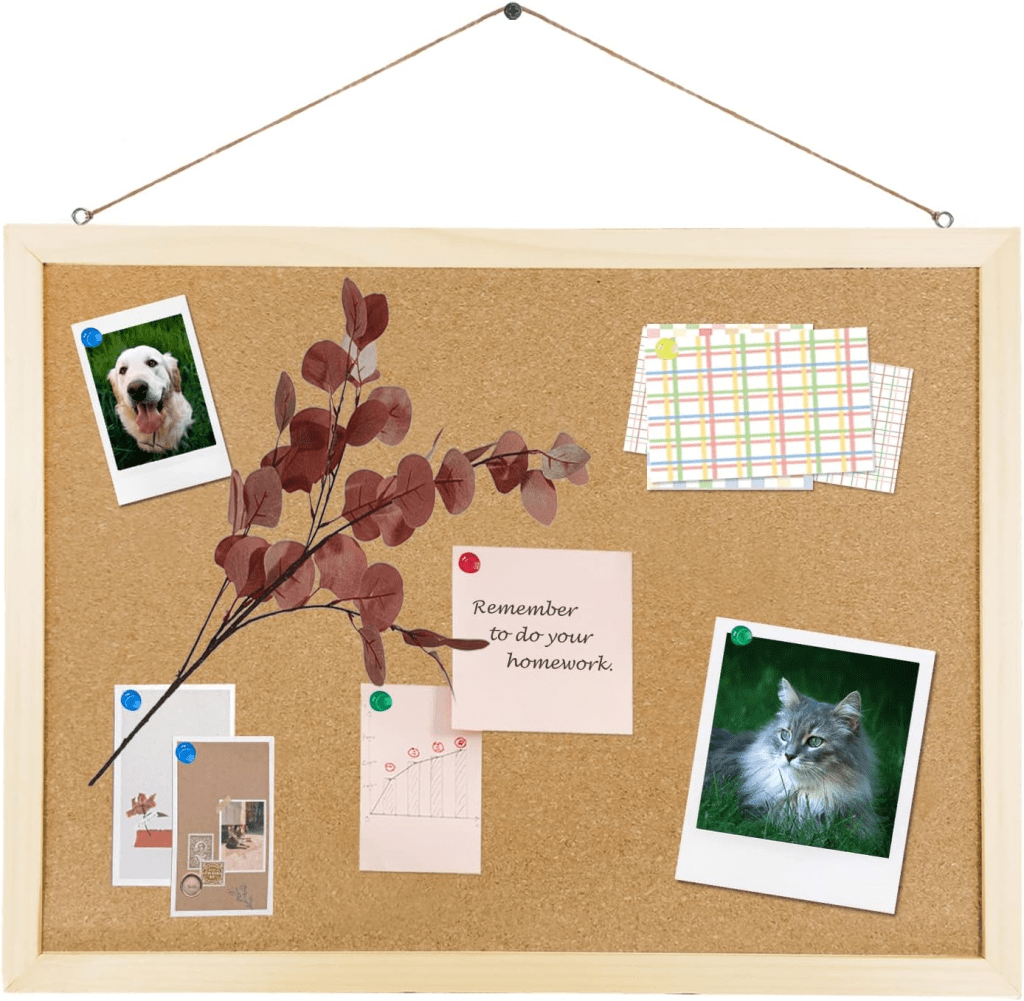
To keep things fluid, use a bulletin board so you can easily edit your vision.
In my high school art classes, we utilize MS Word or Google Docs to craft digital vision boards, eliminating concerns about the diminishing practice of receiving donated magazines for art projects. This assignment also serves as a platform for teaching computer literacy, a fundamental skill often overlooked in eighth grade. Students learn various techniques within the program, such as orienting their files to landscape mode to maximize surface area for images, setting narrow margins, and adjusting text wrap settings to position images “Behind the text.” This flexibility allows for creative arrangement, such as using a beach image as a background and layering additional pictures on top. Throughout the year, students create four vision boards, each tailored to a different theme corresponding to the academic quarters.
If you’re considering adopting this project at home, here are some suggested topics and prompts:
- Best School Day: Plan for the best possible day at school for the upcoming academic year. This can be done at the beginning of the first quarter or even before the first day of school, especially if your child is transitioning to a new school or starting kindergarten. Since young children may need assistance navigating the programs, it’s best to work on this project together.
- Discuss how the day will start in the morning, with everything organized and ready to go the night before. Consider including their favorite breakfast and tunes playing in the car, with smooth traffic ensuring an on-time arrival.
- Encourage them to dream about potential field trips or favorite topics to be covered in class. Visualize the snacks available during the day and after school, as well as their favorite lunch options.
- Explore potential activities for when they return home, and don’t forget to include a picture of a homework-free night—after all, we’re dreaming big!
Another topic I introduce for the second quarter is planning for the upcoming holidays, titled “My Best Holiday Wishes.” Here are some suggested topics and prompts:
- Visualize what the Thanksgiving table will look like and who will be visiting, or if you’re planning to travel somewhere for the holiday.
- Consider any upgrades or additions you’d like to make to your winter holiday decor, which can serve as inspiration for future crafting projects.
- Imagine home-based adventures or activities you’d like to enjoy during the extended holiday break, and start planning to ensure you have all the necessary provisions.
- Sneakily plan your movie theater snacks for those cozy nights in—after all, it’s our little secret!
- Make plans to ring in the new year in style, whether it’s with family, friends, or your favorite activities.
- Lastly, think about what would make any upcoming snow days more enjoyable, such as stocking up on hot chocolate mix and other cozy essentials. Visualizing these plans with images can help spark creativity and keep you in a mindful mindset throughout your day-to-day activities.
Starting our third quarter is simple: we focus on the things we want to achieve or manifest for the new year. For older kids, encouraging them to think about personal responsibility in terms of academic goals helps keep them on track. This might involve considering scholarship expectations, starting early conditioning for spring sports, evaluating grades to make necessary adjustments, and planning for spring break. By exploring these topics and adventures, students can set themselves up for success and finish the current school year stronger than expected.
In the fourth quarter, we delve into some significant considerations for older students. They’re tasked with listing 10 achievements or plans they hope to cultivate for the first 5 years after high school. Additionally, they reflect on 10 things they envision experiencing on their best day when they turn 30. This includes aspirations such as their dream job, ideal home, car, and envisioning their personal family. They’re also encouraged to imagine their dream vacation and the activities they would engage in, considering it as a well-deserved reward for their hard work in achieving their goals.
For the younger crowd or those of us who are established in life, crafting a dream vision board of our summer plans is an exciting topic to explore. Mix your ideas with away destination plans as well as staycation options. Additionally, consider picking a new subject or skill to learn about. Summer is the perfect time to spread your learning wings and soar to new heights, regardless of your age.
As we conclude this article, we’ve explored various creative practices such as coloring books, Zentangles, and both traditional and digital vision boards to delve into the concept of intention in our lives. Initiating a creative practice can serve as a catalyst for continual growth and the application of positive manifestation in our daily lives. Let’s embark on this journey of self-discovery and intentional living, nurturing our minds and spirits along the way.
Finally, I’d like to emphasize the importance of revisiting the power of gratitude and continuing to cultivate moments that inspire others to say thank you each day. Let’s draw inspiration from the insights shared in this past article and actively incorporate gratitude into our daily lives, fostering a culture of appreciation and kindness wherever we go.


 Universal Vibrations Corner
Leave a comment