
Indulge in Flavorful Fun: Exploring ‘What The Pho?’ and Beyond. Dive into the captivating world of pho – from its rich history to mouthwatering recipes and a plethora of expressive accessories to savor.
Please visit for more Visionary Art and Design https://bartelvision.printify.me
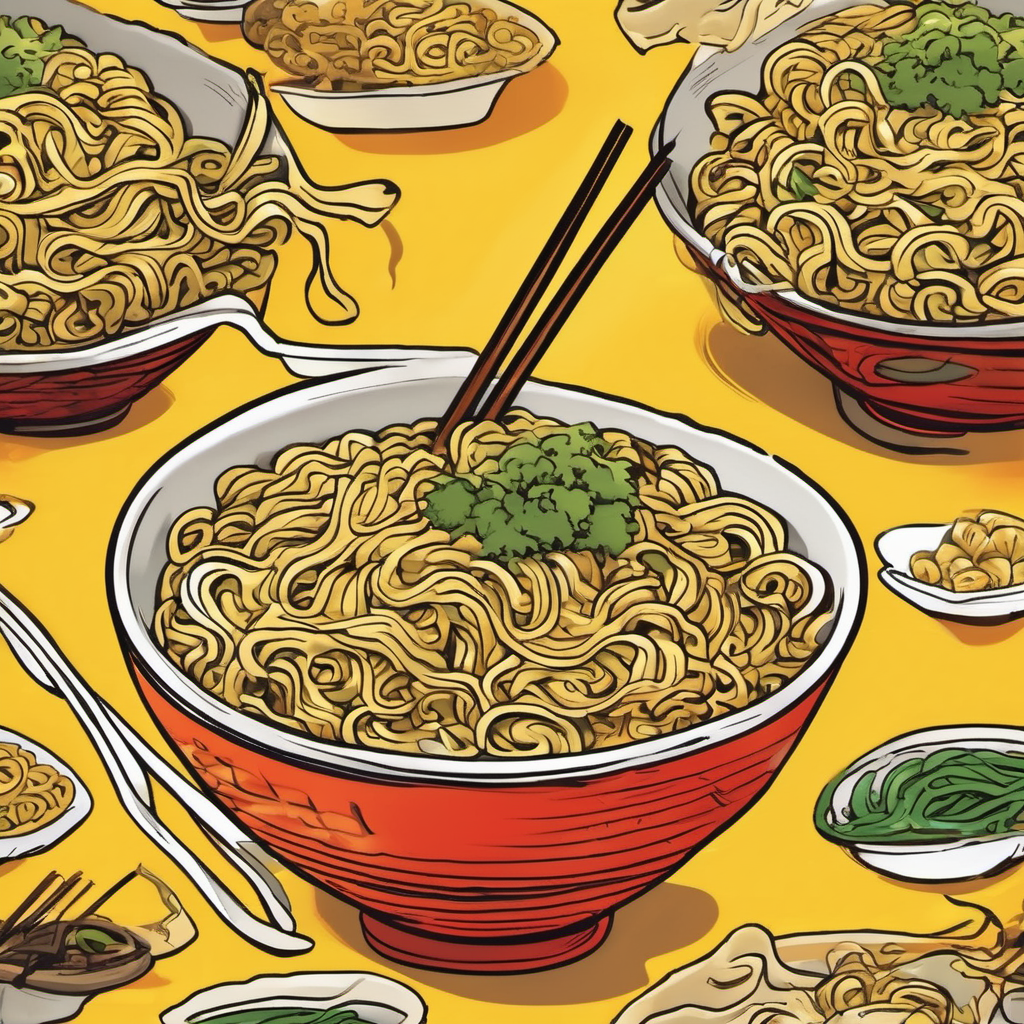
History of Pho: Pho, a Vietnamese noodle soup, has a rich and storied history that dates back to the early 20th century. It is believed to have originated in northern Vietnam, particularly around Hanoi, although its precise origins are somewhat debated.
One popular theory suggests that pho evolved from the French dish pot-au-feu, which was introduced to Vietnam during the French colonial period. Vietnamese cooks adapted the dish to local tastes, incorporating rice noodles, beef or chicken, and an array of herbs and spices to create what we now know as pho.

The exact date of pho’s invention is unclear, but it gained popularity throughout Vietnam in the early to mid-20th century. Initially sold by street vendors, pho gradually became a staple of Vietnamese cuisine, enjoyed by people from all walks of life.

Comparing Pho and Ramen: While pho and ramen are both noodle soups, they originate from different countries and have distinct flavor profiles and ingredients.
1. Origin and Ingredients:
- Pho: Originating in Vietnam, pho typically features rice noodles served in a clear broth, flavored with beef or chicken and infused with aromatic herbs and spices like star anise, cinnamon, and cloves.
- Ramen: Hailing from Japan, ramen consists of wheat noodles in a rich, savory broth, often made from pork, chicken, or seafood. Ramen broth can vary widely in flavor, ranging from shoyu (soy sauce) to miso to tonkotsu (pork bone broth).
2. Flavor Profile:
- Pho: Known for its delicate and fragrant broth, pho is often enjoyed for its subtle balance of sweet, savory, and aromatic flavors. Fresh herbs like Thai basil, cilantro, and lime are commonly added as garnishes.
- Ramen: Ramen broth tends to be richer and more robust in flavor, thanks to ingredients like soy sauce, miso paste, and pork fat. Ramen toppings can include sliced pork belly, soft-boiled eggs, bamboo shoots, and nori (seaweed).

3. Serving Style:
- Pho: Traditionally served with a side of fresh herbs, bean sprouts, lime wedges, and sliced chili peppers, allowing diners to customize their bowls to their liking.
- Ramen: Often garnished with a variety of toppings, such as sliced pork, green onions, mushrooms, and narutomaki (fish cake), which are typically included in the bowl.
Fun Fact:
- Both pho and ramen have gained international popularity and have inspired countless variations and fusion dishes around the world. From pho-inspired burgers to ramen-flavored potato chips, these iconic soups continue to captivate food lovers everywhere.
In conclusion, while pho and ramen share some similarities as noodle soups, each has its own unique history, flavors, and cultural significance. Whether you’re craving the fragrant broth of pho or the hearty richness of ramen, both dishes offer a delicious and comforting culinary experience that transcends borders and cultures.
Pot-au-feu, a classic French dish, translates to “pot on the fire” or “pot over the fire.” It is a traditional beef stew that has been enjoyed in France for centuries, dating back to medieval times. Pot-au-feu is a hearty and comforting dish that embodies the essence of French home cooking.
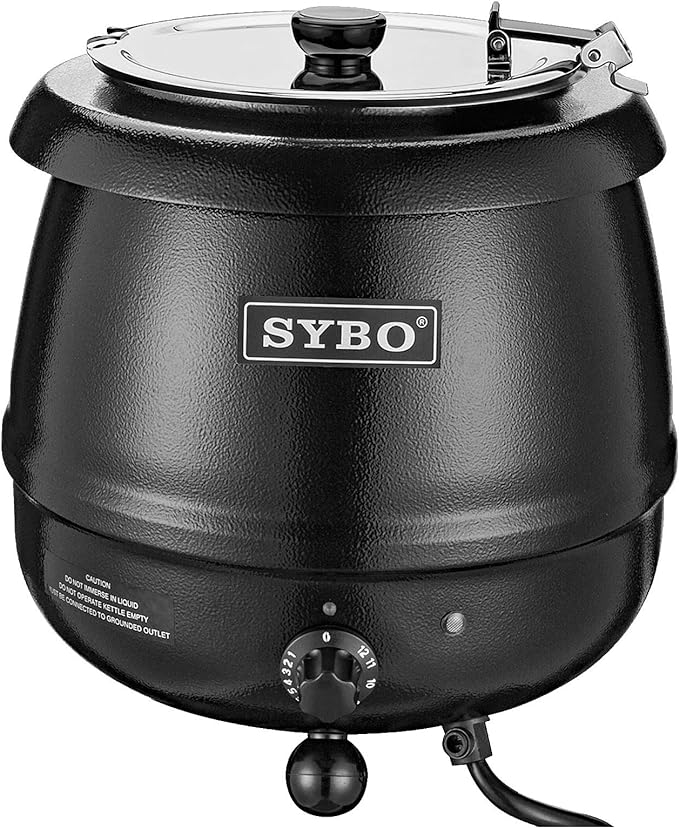
History of French Pot-au-Feu: Soup for the Soul
Pot-au-feu originated as a peasant dish, making use of humble ingredients such as beef, vegetables, and herbs. It was traditionally prepared in a large pot simmered over an open fire, allowing the flavors to meld together slowly and creating a nourishing meal for the entire family.
Over time, pot-au-feu became a staple of French cuisine and was embraced by people of all social classes. It evolved from a simple peasant dish to a symbol of French culinary tradition, often served at family gatherings and special occasions. ( I swear, everything taste was started by the French!)

Ingredients for Pot-au-Feu:
- Beef: Typically, pot-au-feu is made with tough cuts of beef such as chuck, brisket, or shank, which benefit from long, slow cooking to become tender and flavorful.
- Vegetables: Common vegetables used in pot-au-feu include carrots, onions, leeks, celery, and potatoes. These vegetables are added to the pot along with the beef and simmered until they are tender.
- Herbs and Spices: Bay leaves, thyme, parsley, and peppercorns are often used to season the broth and infuse it with aromatic flavors.
- Broth: Pot-au-feu is traditionally cooked in a broth made from water, beef bones, and aromatics, which imparts rich flavor to the dish.
Recipe for Pot-au-Feu:
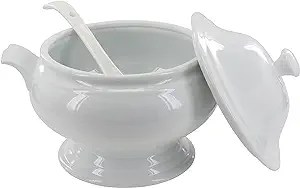
The word “tureen” is derived from the French word “terrine,” which refers to a large, deep dish used for serving soup or stew. https://amzn.to/3vwlLjV
- Place the beef in a large pot and cover it with cold water. Bring the water to a boil over medium-high heat, then reduce the heat to low and simmer for about 1 hour, skimming any foam that rises to the surface.
- Add the vegetables, herbs, and spices to the pot, along with a pinch of salt. Continue to simmer the pot-au-feu for another 1-2 hours, or until the beef is tender and the vegetables are cooked through.
- Once the beef and vegetables are cooked, remove them from the pot and transfer them to a serving platter. Strain the broth through a fine mesh sieve and discard any solids.
- To serve, slice the beef and arrange it on a platter with the cooked vegetables. Ladle the hot broth over the top and garnish with fresh parsley. Serve the pot-au-feu with crusty bread and Dijon mustard on the side.
Variations of Pot-au-Feu:
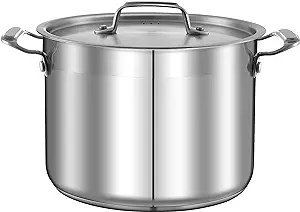
- Pot-au-feu can be customized with different types of meat, such as chicken, pork, or lamb, depending on personal preference and availability.
- Some variations of pot-au-feu include adding additional vegetables such as turnips, cabbage, or parsnips to the pot for added flavor and texture.
Pot-au-feu is a timeless French classic that continues to be enjoyed by families throughout France and around the world. Its rustic simplicity and comforting flavors make it a beloved dish that is perfect for sharing with loved ones on a chilly evening.

Start with the Broth, it is all about the Broth.
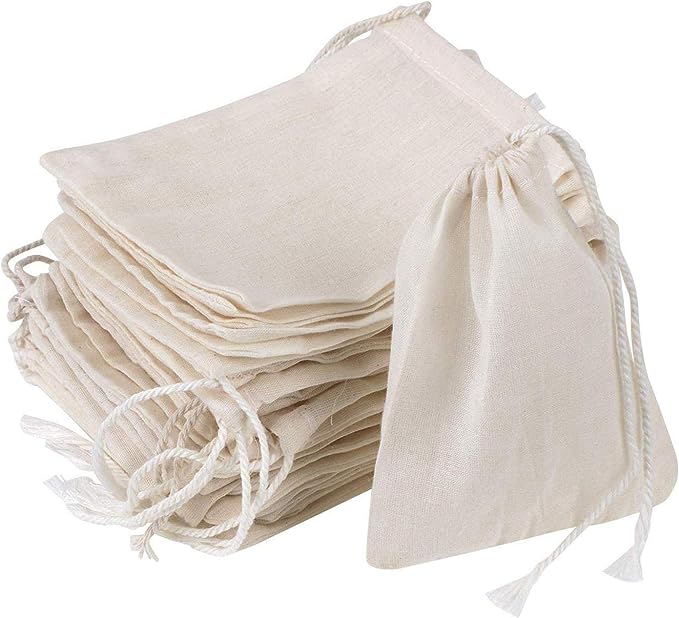
Here’s a basic recipe for making Pho broth:
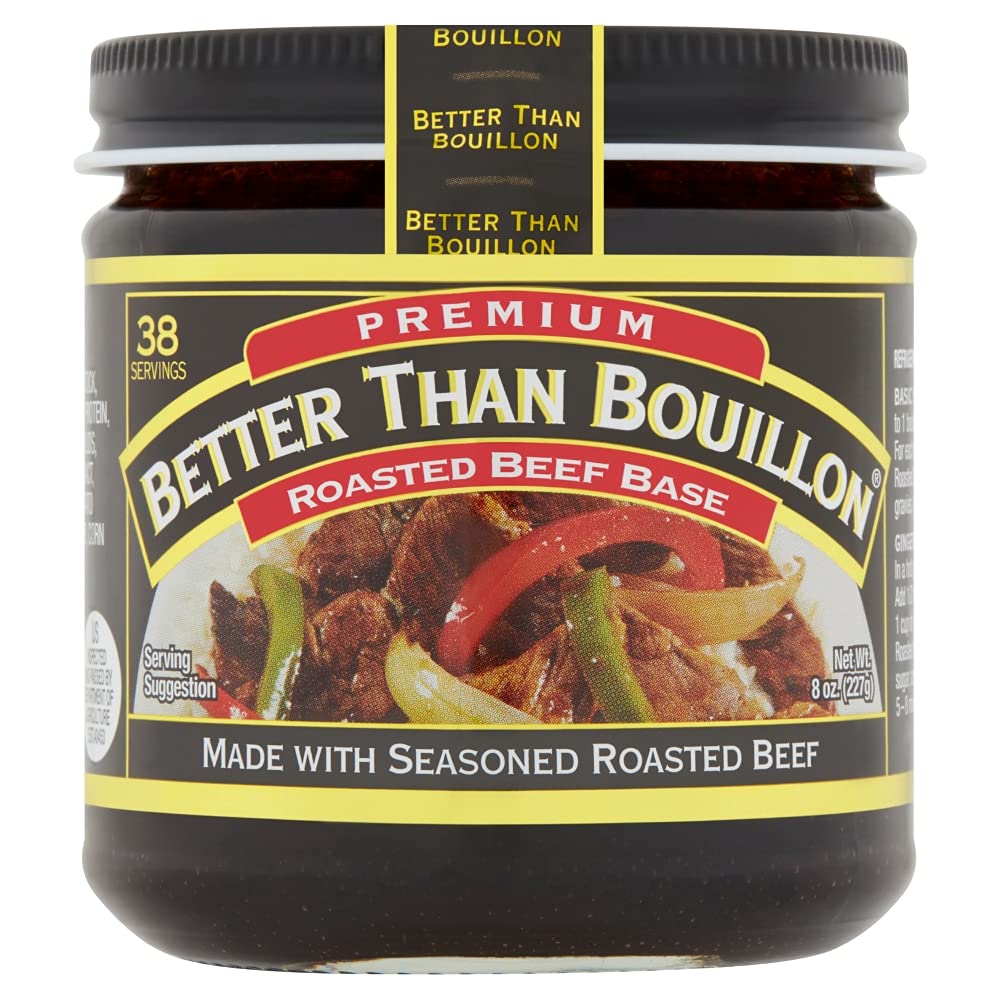
Ingredients:
- 4-5 pounds beef or chicken bones (for beef Pho, use marrow bones and oxtail; for chicken Pho, use chicken carcasses and wings)
- 1 large onion, halved
- 4-inch piece of ginger, sliced
- 4-5 star anise
- 4-5 cloves
- 2 cinnamon sticks
- 1 tablespoon coriander seeds
- 1 tablespoon fennel seeds
- 1 tablespoon salt
- 2-3 tablespoons fish sauce (for beef Pho)
- 1-2 tablespoons sugar
- Water, enough to cover the bones and vegetables

Instructions:
- Preparation: Preheat your oven to 400°F (200°C). Place the beef or chicken bones on a baking sheet and roast in the oven for about 30 minutes, or until they are browned and caramelized. This step helps to deepen the flavor of the broth.
- Blanching: Bring a large pot of water to a boil. Add the roasted bones to the pot and blanch them for about 5 minutes. This helps to remove any impurities and ensures a clear broth.
- Rinsing: Remove the bones from the pot and rinse them under cold water to remove any remaining impurities.
- Broth: Fill a large stockpot with water (about 4-5 quarts) and add the blanched bones, onion, ginger, star anise, cloves, cinnamon sticks, coriander seeds, fennel seeds, and salt. Bring the pot to a boil over high heat.
- Simmering: Once the broth comes to a boil, reduce the heat to low and let it simmer gently. Skim off any foam or impurities that rise to the surface with a fine mesh strainer.
- Flavoring: After about 1-2 hours of simmering (for chicken Pho) or 3-4 hours (for beef Pho), add fish sauce and sugar to taste. Adjust the seasoning as needed.
- Straining: Once the broth is flavorful and fragrant, remove the bones and aromatics from the pot using a slotted spoon or tongs. Strain the broth through a fine mesh sieve or cheesecloth to remove any remaining solids.
- Serving: Your Pho broth is now ready to be used as the base for your favorite Pho recipe. Serve it piping hot with rice noodles, thinly sliced meat, fresh herbs, bean sprouts, lime wedges, and chili slices for a traditional Pho experience.

Enjoy your homemade Pho broth, packed with rich flavor and nourishing goodness! Adjust the ingredients and seasonings to suit your taste preferences, and don’t be afraid to get creative with your Pho toppings and garnishes.

Enhance your nutrition with this trace mineral salt. https://amzn.to/4agpKAd
Benefits of Bone Broth:
Bone broth has surged in popularity in recent years, touted for its numerous health benefits and versatility in culinary applications. This ancient elixir, cherished by various cultures for centuries, has made a modern comeback, captivating health-conscious consumers and food enthusiasts alike.
Nutritional Benefits:
- Rich in Nutrients: Bone broth is made by simmering bones (usually from beef, chicken, or fish) along with vegetables, herbs, and spices in water for an extended period. This slow cooking process extracts valuable nutrients such as collagen, gelatin, amino acids, minerals (like calcium, magnesium, and phosphorus), and vitamins (such as vitamin A, vitamin K2, and various B vitamins) from the bones and connective tissues.
- Supports Gut Health: The gelatin and collagen present in bone broth are beneficial for gut health. They help repair and strengthen the intestinal lining, support digestion, and may alleviate symptoms of conditions like leaky gut syndrome and irritable bowel syndrome (IBS).
- Joint and Bone Health: The collagen and minerals in bone broth are believed to promote joint health and reduce inflammation, making it beneficial for individuals with arthritis or other inflammatory joint conditions.
- Promotes Skin Health: Collagen is a major component of skin tissue, and consuming bone broth may help improve skin elasticity, hydration, and overall appearance, reducing the signs of aging.
- Boosts Immune Function: The amino acids and minerals in bone broth support immune function by enhancing the body’s ability to fight off infections and illnesses.

Dietary Benefits:
- Supports Weight Loss: Bone broth is low in calories and rich in protein, making it a satiating and nutritious addition to a weight loss or weight management diet. It can help keep hunger at bay and support muscle maintenance and repair.
- Paleo and Keto-Friendly: Bone broth aligns with both Paleo and ketogenic diets, which emphasize whole, minimally processed foods and high-quality sources of protein and fat. It is a convenient way to incorporate nutrient-dense, ancestral foods into these dietary lifestyles.
- Fasting Support: Bone broth is often consumed during fasting periods, such as intermittent fasting or bone broth fasting, to provide essential nutrients and electrolytes while promoting autophagy (cellular repair) and detoxification.
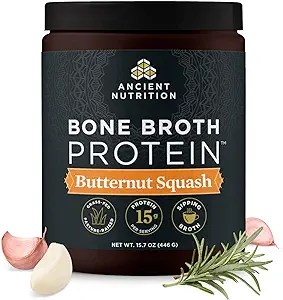
Popularity and Culinary Use: The resurgence of bone broth can be attributed to several factors:
- Increased interest in holistic health and wellness practices.
- Growing awareness of the importance of gut health and collagen supplementation.
- Celebrity endorsements and endorsements from health experts.
- Availability of bone broth products in grocery stores and online retailers.
- Versatility in cooking – bone broth can be enjoyed on its own as a nourishing beverage, used as a base for soups, stews, sauces, and gravies, or incorporated into various recipes for added flavor and nutritional benefits.
Overall, bone broth offers a myriad of health benefits and dietary advantages, making it a staple in many wellness-focused lifestyles and culinary endeavors. Whether sipped as a comforting beverage or used as a flavorful ingredient in cooking, bone broth has earned its place as a cherished superfood in today’s health-conscious culture.
Now that we have the broth ready to go, here are the 5 variations of Pho as promised:
Here are five Pho recipes along with the beneficial qualities of their unique ingredients:

- Chicken Pho (Pho Ga):Ingredients:
- 2-3 pounds chicken carcasses or chicken wings
- 1 onion, halved
- 4-inch piece of ginger, sliced
- 3-4 star anise
- 4-5 cloves
- 2 cinnamon sticks
- 1 tablespoon coriander seeds
- 1 tablespoon fennel seeds
- 1-2 tablespoons salt, to taste
- 2-3 tablespoons fish sauce
- 2-3 tablespoons sugar, to taste
- 8 cups water
- 8 ounces dried rice noodles (banh pho)
- Cooked chicken breast, thinly sliced
- Fresh herbs (cilantro, Thai basil, mint)
- Bean sprouts
- Lime wedges
- Thinly sliced chili peppers (optional)
- Hoisin sauce and sriracha (optional, for serving)
- Instructions: Prepare the Broth:
- Cook the Rice Noodles:
- While the broth is simmering, prepare the rice noodles according to the package instructions. Usually, this involves soaking them in hot water for about 20-30 minutes until they are soft but still slightly firm (al dente). Drain and set aside.
- Strain the Broth:
- Once the broth has simmered and the flavors have melded together, remove the chicken bones and aromatics from the pot using a slotted spoon or mesh strainer.
- Strain the broth through a fine mesh sieve or cheesecloth to remove any remaining solids. Discard the solids.
- Assemble the Bowls:
- Divide the cooked rice noodles among serving bowls.
- Top the noodles with thinly sliced cooked chicken breast.
- Ladle the hot broth over the noodles and chicken, ensuring that each bowl is generously filled.
- Serve the Chicken Pho garnished with fresh herbs (cilantro, Thai basil, mint), bean sprouts, lime wedges, and thinly sliced chili peppers, if desired.
- Serve with hoisin sauce and sriracha on the side for diners to customize their bowls according to their taste preferences.
- Enjoy!
- Serve the Chicken Pho piping hot and enjoy the comforting flavors of this classic Vietnamese dish. Sip the aromatic broth, slurp up the tender rice noodles, and savor the delicate flavors of the herbs and spices. It’s a nourishing and satisfying meal that’s perfect for any occasion!
- Feel free to adjust the seasonings and toppings according to your taste preferences, and enjoy the delightful flavors of homemade Chicken Pho (Pho Ga)!
- Beef Pho (Pho Bo):
- Beneficial Qualities:
- Beef: Excellent source of protein, iron, and zinc, which are essential for muscle growth, red blood cell production, and immune function.
- Star Anise: Contains compounds like linalool and shikimic acid, which possess antimicrobial and anti-inflammatory properties, promoting respiratory health and easing symptoms of cough and cold.
- Basil: Rich in vitamins A and K, basil has antibacterial properties and may help reduce inflammation and support liver health.
- Vegetarian Pho:
- Vegetarian Pho:
- Ingredients:
- For the Broth:
- 8 cups vegetable broth (store-bought or homemade)
- 1 onion, halved
- 4-inch piece of ginger,
- sliced4-5 star anise
- 4-5 cloves2 cinnamon sticks1 tablespoon coriander seeds1 tablespoon fennel seeds1-2 tablespoons salt, to taste2-3 tablespoons soy sauce or tamari1-2 tablespoons sugar, to taste
- For the Noodles and Toppings:
- 8 ounces dried rice noodles (banh pho)1 cup sliced shiitake mushrooms1 cup sliced tofu, cooked1 cup bean sproutsFresh herbs (cilantro, Thai basil, mint)Lime wedges. Thinly sliced chili peppers (optional)Hoisin sauce and sriracha (optional, for serving)
- Instructions:
- Prepare the Broth: In a large stockpot, combine the vegetable broth, onion halves, ginger slices, star anise, cloves, cinnamon sticks, coriander seeds, fennel seeds, salt, soy sauce or tamari, and sugar. Bring the pot to a boil over high heat, then reduce the heat to low and let the broth simmer gently for about 30-45 minutes to allow the flavors to meld together.
Cook the Rice Noodles:
While the broth is simmering, prepare the rice noodles according to the package instructions. Usually, this involves soaking them in hot water for about 20-30 minutes until they are soft but still slightly firm (al dente). Drain and set aside.Prepare the Toppings:
In a separate pan, sauté the sliced shiitake mushrooms until they are tender and lightly browned. Cook the sliced tofu in a separate pan until it is lightly browned and heated through.Assemble the Bowls:
Divide the cooked rice noodles among serving bowls. Top the noodles with the cooked shiitake mushrooms and tofu. Ladle the hot vegetable broth over the noodles and toppings, ensuring that each bowl is generously filled. Serve the Vegetarian Pho garnished with bean sprouts, fresh herbs (cilantro, Thai basil, mint), lime wedges, and thinly sliced chili peppers, if desired. Serve with hoisin sauce and sriracha on the side for diners to customize their bowls according to their taste preferences.Enjoy!
Serve the Vegetarian Pho piping hot and enjoy the comforting flavors of this plant-based twist on the classic Vietnamese dish. Sip the aromatic broth, slurp up the tender rice noodles, and savor the delightful combination of mushrooms, tofu, and fresh herbs. It’s a nourishing and satisfying meal that’s perfect for any occasion!Feel free to adjust the toppings and seasonings according to your taste preferences, and enjoy the delicious flavors of homemade Vegetarian Pho!
-
- Beneficial Qualities:
- Tofu: A good source of plant-based protein, tofu is also rich in calcium and iron, promoting bone health and oxygen transport in the body.
- Shiitake Mushrooms: Known for their immune-boosting properties, shiitake mushrooms contain beta-glucans and other bioactive compounds that support immune function and may help lower cholesterol levels.
- Bean Sprouts: Low in calories and high in fiber, bean sprouts are a good source of vitamins C and K, as well as folate, promoting digestive health and reducing the risk of chronic diseases.
- Seafood Pho:
- Ingredients:
- For the Broth:
- 8 cups seafood or vegetable broth (store-bought or homemade)
- 1 onion, halved
- 4-inch piece of ginger, sliced
- 4-5 star anise
- 4-5 cloves
- 2 cinnamon sticks
- 1 tablespoon coriander seeds
- 1 tablespoon fennel seeds
- 1-2 tablespoons salt, to taste
- 2-3 tablespoons fish sauce
- 1-2 tablespoons sugar, to taste
- For the Seafood and Noodles:
- 8 ounces dried rice noodles (banh pho)
- Assorted seafood (shrimp, scallops, fish fillets, squid), cleaned and sliced
- 1 cup sliced mushrooms (shiitake, button mushrooms, or any variety you prefer)
- 1 cup bean sprouts
- Fresh herbs (cilantro, Thai basil, mint)
- Lime wedges
- Thinly sliced chili peppers (optional)
- Hoisin sauce and sriracha (optional, for serving)
- Instructions:
- Prepare the Broth:
- In a large stockpot, combine the seafood or vegetable broth, onion halves, ginger slices, star anise, cloves, cinnamon sticks, coriander seeds, fennel seeds, salt, fish sauce, and sugar.
- Bring the pot to a boil over high heat, then reduce the heat to low and let the broth simmer gently for about 30-45 minutes to allow the flavors to meld together.
- Cook the Rice Noodles:
- While the broth is simmering, prepare the rice noodles according to the package instructions. Usually, this involves soaking them in hot water for about 20-30 minutes until they are soft but still slightly firm (al dente). Drain and set aside.
- Prepare the Seafood and Toppings:
- In a separate pan, lightly sauté the sliced mushrooms until they are tender.
- Add the assorted seafood to the broth during the last few minutes of simmering, just until they are cooked through.
- Assemble the Bowls:
- Divide the cooked rice noodles among serving bowls.
- Top the noodles with the cooked seafood and mushrooms.
- Ladle the hot seafood broth over the noodles and toppings, ensuring that each bowl is generously filled.
- Serve the Seafood Pho garnished with bean sprouts, fresh herbs (cilantro, Thai basil, mint), lime wedges, and thinly sliced chili peppers, if desired.
- Serve with hoisin sauce and sriracha on the side for diners to customize their bowls according to their taste preferences.
- Enjoy!
- Serve the Seafood Pho piping hot and enjoy the delightful flavors of this seafood-infused twist on the classic Vietnamese dish. Sip the fragrant broth, savor the tender rice noodles, and indulge in the succulent seafood and fresh herbs. It’s a delicious and satisfying meal that’s perfect for seafood lovers!
- Feel free to adjust the seafood selection and toppings according to your taste preferences, and enjoy the delicious flavors of homemade Seafood Pho!
- Beneficial Qualities:
- Shrimp: Low in calories and high in protein, shrimp is also a good source of omega-3 fatty acids, which support heart health and brain function.
- Kelp Noodles: Made from seaweed, kelp noodles are rich in iodine, a mineral essential for thyroid function and metabolism regulation.
- Lemongrass: Contains citral, a compound with antimicrobial properties that may help fight infections and reduce inflammation.
- Spicy Pho (Pho Bun):
- Ingredients:
- For the Broth:
- 8 cups beef or chicken broth (store-bought or homemade)
- 1 onion, halved
- 4-inch piece of ginger, sliced
- 4-5 star anise
- 4-5 cloves
- 2 cinnamon sticks
- 1 tablespoon coriander seeds
- 1 tablespoon fennel seeds
- 1-2 tablespoons salt, to taste
- 2-3 tablespoons fish sauce
- 1-2 tablespoons sugar, to taste
- 1-2 tablespoons chili paste or sriracha sauce (adjust to taste)
- For the Noodles and Toppings:
- 8 ounces dried rice noodles (banh pho)
- Cooked beef or chicken, thinly sliced
- Sliced onions
- Sliced scallions
- Bean sprouts
- Fresh herbs (cilantro, Thai basil, mint)
- Lime wedges
- Thinly sliced chili peppers
- Hoisin sauce and additional sriracha (optional, for serving)
- Instructions:
- Prepare the Broth:
- In a large stockpot, combine the beef or chicken broth, onion halves, ginger slices, star anise, cloves, cinnamon sticks, coriander seeds, fennel seeds, salt, fish sauce, sugar, and chili paste or sriracha sauce.
- Bring the pot to a boil over high heat, then reduce the heat to low and let the broth simmer gently for about 30-45 minutes to allow the flavors to meld together.
- Cook the Rice Noodles:
- While the broth is simmering, prepare the rice noodles according to the package instructions. Usually, this involves soaking them in hot water for about 20-30 minutes until they are soft but still slightly firm (al dente). Drain and set aside.
- Prepare the Toppings:
- Thinly slice the cooked beef or chicken and set aside.
- Slice the onions, scallions, and chili peppers. Prepare the bean sprouts, fresh herbs, and lime wedges.
- Assemble the Bowls:
- Divide the cooked rice noodles among serving bowls.
- Top the noodles with the thinly sliced cooked beef or chicken.
- Ladle the hot spicy broth over the noodles and meat, ensuring that each bowl is generously filled.
- Serve the Spicy Pho garnished with sliced onions, scallions, bean sprouts, fresh herbs, lime wedges, and thinly sliced chili peppers.
- Serve with hoisin sauce and additional sriracha on the side for diners to customize their bowls according to their taste preferences.
- Enjoy!
- Serve the Spicy Pho piping hot and enjoy the bold and spicy flavors of this delightful Vietnamese dish. Sip the aromatic broth, slurp up the tender rice noodles, and savor the rich combination of meat and fresh toppings. It’s a comforting and satisfying meal that’s perfect for spice lovers!
- Feel free to adjust the level of spiciness by adding more or less chili paste or sriracha according to your taste preferences, and enjoy the delicious flavors of homemade Spicy Pho!
- Beneficial Qualities:
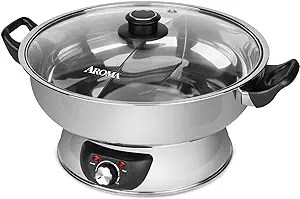
These Pho recipes offer a delicious and nutritious way to enjoy a variety of flavors while reaping the health benefits of their unique ingredients. So, whether you’re craving a comforting bowl of chicken Pho or a fiery bowl of spicy Pho, there’s a recipe to suit every palate and dietary preference
P.S.
Confession time, folks. I concocted the “What The Pho” product series as a playful spinoff of the infamous “WTF.” Back in my construction days, I picked up a colorful vocabulary that could make a sailor blush. Unfortunately, those spicy curse words don’t fly in the world of education. But hey, did you know that studies from Yale and Harvard suggest that those who sprinkle their speech with a little spicy language tend to be sharper and more loyal? Plus, for some of us, dropping an expletive here and there is just a stress-deflector.

Now, I’ve had my fair share of tea-tottlers giving me the side-eye for my choice of words. But come on, folks, they’re just words! In a world filled with strife and stress, a few well-placed expletives can feel like a release valve. As one wise gentleman put it, “Vulgar words for vulgar times!” Amen to that!
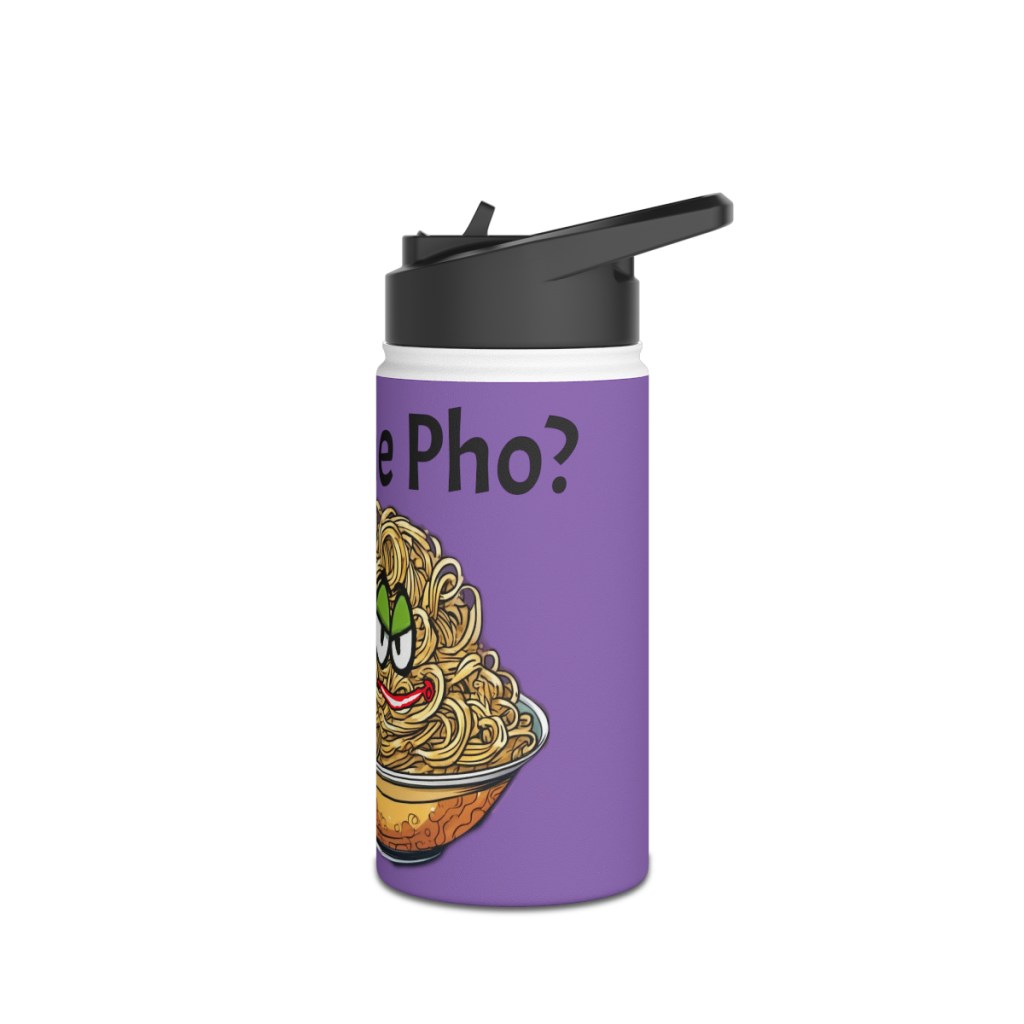
So, to offer an alternative outlet for expression (and to keep the pearl-clutchers at bay), I’m rolling out this new product line. More goodies are in the works, but hey, good things take time. In the meantime, let’s keep the humor flowing (remember humor keeps our immune systems healthy and our frequency high) and support our local Farmer’s Markets. With all the chaos in our food supply and shipping infrastructure, it’s more crucial than ever. Remember, the most defiant act against a corrupt government is to grow your own food. And if you can’t swing that, then hit up those Farmer’s Markets!
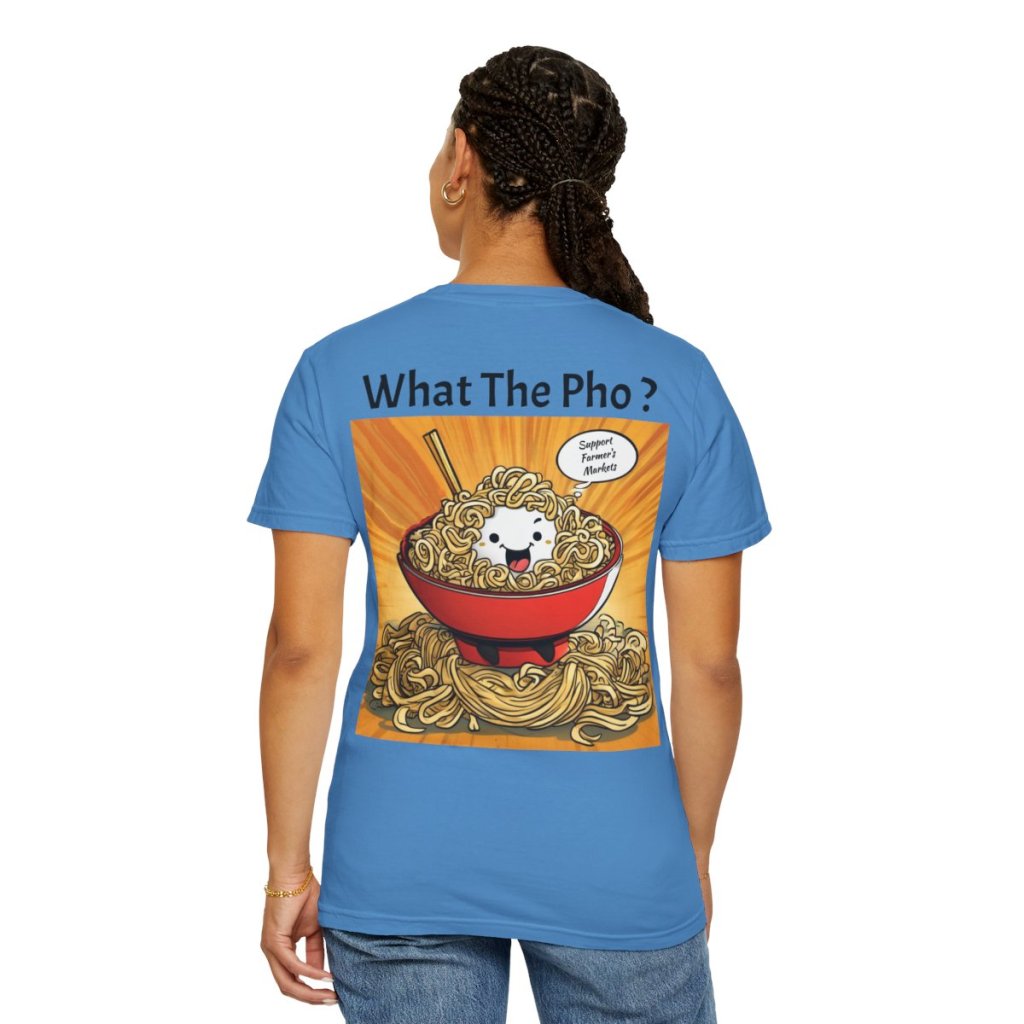
So, grab yourself some “What The Pho?” bling and turn your Saturdays into a blissful state of hilarity and goodwill. Let’s laugh our way through the madness, one spicy phrase at a time!



 Universal Vibrations Corner
Leave a comment